Unmasking the Illusion of Control (Step 1)


Welcome to the commencement of a twelve-part expedition delving into the transformative odyssey of the 12 Steps—an eloquent testament to the unwavering resilience of the human spirit amidst the clutches of addiction. Throughout this series, we embark on an unraveling of the profound wisdom encapsulated in each step, peeling back layers of insight, reflection, and growth strewn along the path to recovery.

The Potent Disruptor - Step 1
In the landscape of recovery, Step 1 emerges as a potent disruptor, shattering the meticulously crafted façade of the ego—the illusory veneer of control. The ego, intricately woven with self-perception and defense mechanisms, often spins a narrative of invincibility and mastery. The First Step, however, stands as a reflective mirror, casting an unyielding light on the stark reality of powerlessness and unmanageability.
The ego flourishes on the deceptive notion of control, persuading individuals that they can dictate the trajectory of their lives even amidst the clutches of addiction. The First Step, with surgical precision, dismantles this illusion. It calls for a courageous admission—that endeavors to manage life while entangled in substance abuse have not only proven futile but also detrimental.
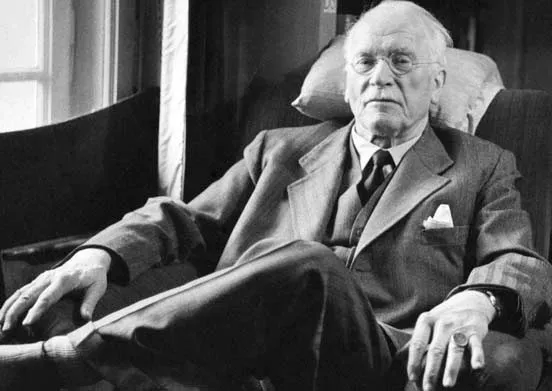
Confronting the Illusion of Control
Drawing from Jungian psychology, which contends that the ego, driven by a desire for dominance, constructs intricate defenses to shield itself from uncomfortable truths, the addiction landscape manifests this as the illusion of control. As Jung aptly noted, "Until you make the unconscious conscious, it will direct your life and you will call it fate." Step 1 becomes the catalyst for consciousness, compelling individuals to confront the unconscious patterns intricately woven by the ego.

The War Within - Ego vs. Powerlessness
At its core, addiction wages a war between the ego's insistence on control and the acknowledgment of powerlessness. The First Step propels individuals to peel back the layers of self-deception, facing the uncomfortable truth that their lives have descended into chaos and unmanageability. This confrontation extends beyond substances; it marks a profound reckoning with the ego's resistance to surrender.
In unmasking the ego, Step 1 metamorphoses into a crucible for transformation, challenging the very foundations on which the ego stands. It opens avenues for humility and self-awareness, inviting individuals to interrogate the narratives they've crafted about themselves—a necessary deconstruction preceding the reconstruction of a healthier, more authentic self.

From Control to Influence
Furthermore, Step 1 serves as a summons to discern the nuance between control and influence. It doesn't negate agency; instead, it redirects it. Rather than futile attempts to control the uncontrollable, individuals learn to influence their journey toward recovery. This shift, from control to influence, marks a profound paradigm shift demanding vulnerability, resilience, and receptiveness to a different, more sustainable form of empowerment.
In essence, this exploration of The First Step's challenge to the illusion of control extends an invitation to recognize the ego's pivotal role in the intricate dance of addiction and recovery. It beckons a journey into the heart of vulnerability, where the true labor of recovery commences—the meticulous work of rebuilding not on the precarious grounds of illusion but on the steadfast foundation of authenticity and acceptance.