The Science Behind Substance Abuse: Unraveling its Impact on the Brain

Substance abuse, a complex and multifaceted phenomenon, takes a significant toll on the intricate workings of the human brain. By delving into the scientific underpinnings, we can demystify the profound impact of addiction on neural pathways and cognitive function.

Neurotransmitters Under Siege
At the heart of addiction lies a disruption in the delicate balance of neurotransmitters – the brain's messengers. Take dopamine, for instance, a neurotransmitter associated with pleasure and reward. Substance abuse artificially elevates dopamine levels, creating an intense but fleeting sense of euphoria. This surge overwhelms the brain's reward system, fostering a cycle of repeated substance use to recapture that elusive pleasure.
Rewiring the Brain's Reward Circuitry
Chronic substance abuse goes beyond short-term pleasure, fundamentally rewiring the brain's reward circuitry. Research indicates that the nucleus accumbens, a key player in the brain's reward system, undergoes structural changes. These alterations perpetuate a heightened sensitivity to drug-related cues, making relapse a formidable challenge even after prolonged abstinence.
The Prefrontal Cortex: Impaired Judgment and Decision-Making
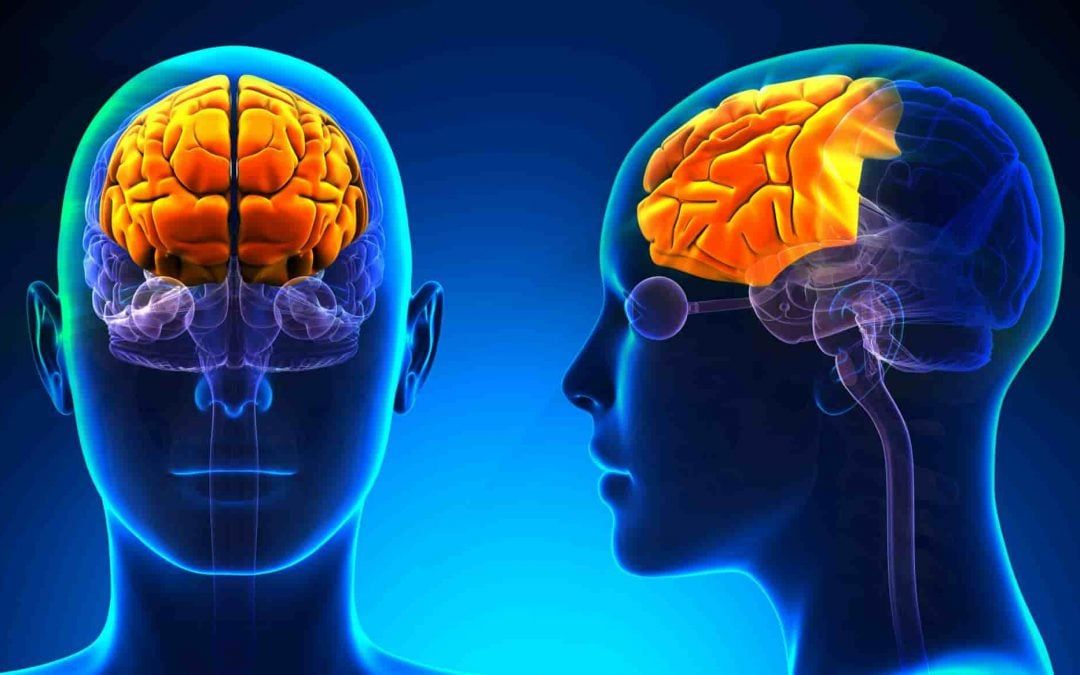
The prefrontal cortex, responsible for decision-making and impulse control, is a primary casualty of substance abuse. Chronic drug use compromises the integrity of this region, diminishing cognitive functions critical for self-regulation. Individuals grappling with addiction often struggle with impaired judgment, finding it challenging to resist the allure of substances despite the known consequences.
Neuroplasticity: The Brain's Double-Edged Sword
The brain's remarkable ability to adapt, known as neuroplasticity, plays a dual role in addiction. While it enables recovery by allowing the brain to reorganize itself, it also reinforces addictive behaviors. Neural pathways associated with substance use strengthen with repetition, creating enduring connections that persist even during periods of abstinence.

The Struggle for Control: From Impulse to Compulsion
As substance abuse persists, the brain undergoes a transformation from initial impulsive drug-seeking behavior to compulsive use. This shift is associated with changes in the basal ganglia, a region implicated in habit formation. The result is a profound loss of control, with individuals compelled to use substances despite adverse consequences.
Navigating the Complex Landscape
Understanding the scientific intricacies of addiction equips us with a compass to navigate the complex landscape of recovery. By acknowledging the neurobiological changes wrought by substance abuse, we pave the way for targeted interventions and compassionate support. Breaking the chains of addiction requires not just personal resolve but a comprehensive understanding of the profound impact on the brain – a vital step towards forging a path to recovery.